2026-08-26 · Miguel Soto
Why Glendale Homes Lose Cooling During Summer Evenings
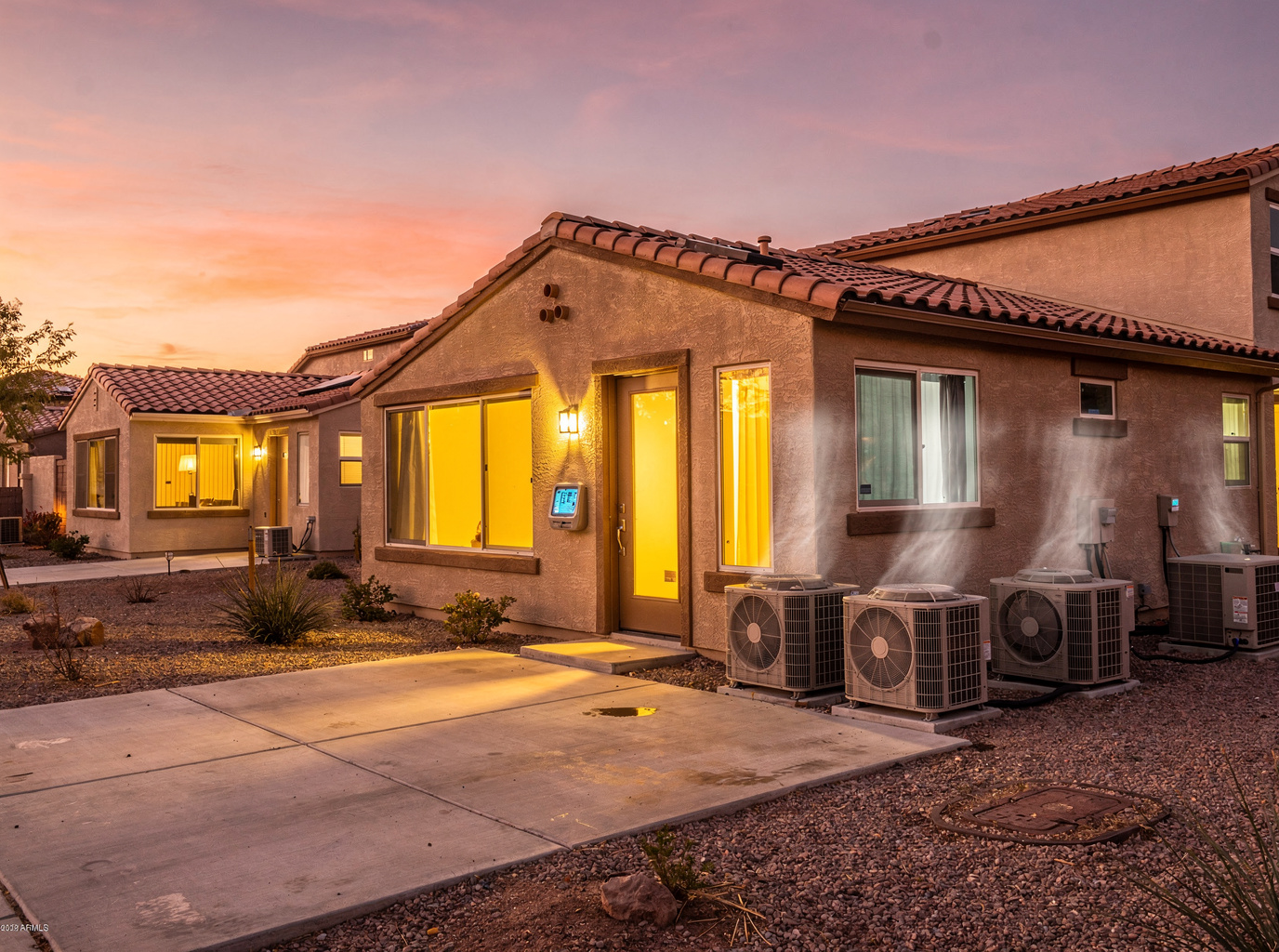
Glendale homes lose cooling during summer evenings because the Mediterranean climate leaves concrete, stucco, and older roof decks radiating stored heat long after sunset, and many homes in Adams Hill, Chevy Chase, Tropico, and Rossmoyne lack the insulation or sealed ducts needed to hold conditioned air once the sun drops.
Heat Buildup from Hot Dry Summers
Glendale sits in Los Angeles County with hot dry summers that push daytime temperatures well above 90 degrees for weeks at a time. Homes near Griffith Park and the Americana at Brand absorb that heat through south- and west-facing walls, then release it after 7 pm when outdoor air finally cools. In neighborhoods such as Rossmoyne and Tropico, many houses built before 1970 have minimal attic insulation and single-pane windows, so indoor temperatures stay elevated until midnight or later. The effect is stronger on streets with narrow lots where homes sit close together and share reflected heat from driveways and sidewalks. Residents in Chevy Chase often notice the second floor stays warm two to three hours longer than the ground floor because warm air rises and has no easy escape path once the system cycles off.
Insulation and Construction Realities in Older Neighborhoods
Many homes in Adams Hill and Chevy Chase date from the 1920s through 1960s and feature original plaster walls with little or no cavity insulation. These structures hold heat longer than newer builds in Pasadena or Burbank because the materials have higher thermal mass. Attics in Tropico homes frequently contain only a few inches of old fiberglass that has settled or been disturbed during roof work, leaving R-values well below current standards. When evening breezes finally arrive from the west, the temperature differential between the still-warm attic and the cooler outside air increases heat transfer back into living spaces. Homeowners who open windows at dusk sometimes accelerate the problem by pulling in warmer air that has been sitting against exterior walls all day.
Duct Leaks and Airflow Losses After Sunset
Duct systems in Glendale attics run through spaces that remain 10 to 15 degrees warmer than the conditioned rooms below during summer evenings. Leaks at joints or damaged sections allow cooled air to escape before it reaches bedrooms, forcing the system to run longer once it restarts. In Rossmoyne and Chevy Chase homes, ducts often travel through cramped crawl spaces or low attics where insulation has been compressed or removed, creating direct paths for heat gain. A reader who suspects this issue can review How to Spot Early Signs of Duct Leaks in Glendale Attics for specific inspection steps. Sealing and insulating ducts typically restores even temperatures faster than replacing the entire unit, especially when the existing equipment still moves adequate airflow.
Practical Steps When Cooling Fails After Dark
Start by checking that filters are clean and registers are unobstructed, then verify the thermostat is not calling for cooling during the warmest part of the evening. If the system runs continuously yet indoor temperatures climb after 8 pm, the next step is a professional inspection of duct integrity and attic insulation levels. Homeowners in Glendale can schedule HVAC Maintenance or AC Repair during Mon–Fri 8am–6pm or Sat 9am–2pm to identify whether leaks, low refrigerant, or aging components are the cause. In cases where the existing unit cannot maintain set points once outdoor temperatures drop below 75 degrees, Air Conditioner Installation may be the longer-term solution for homes with outdated equipment. Tracking indoor and outdoor temperatures for two or three evenings provides concrete data that helps technicians target the actual heat-gain sources rather than guessing at symptoms.